Traveling is discovering new horizons, and sometimes the most surprising destinations are where you least expect it. In the heart of the Balkans, Albania stands out as one of the most authentic and least crowded European countries, a jewel still unknown to most international tourists. This article invites you to learn about the reasons why Albania deserves to be on your next travel list, exploring its fascinating history, its dream beaches, local hospitality and authenticity difficult to find in other corners of the continent.
A country open to the curious traveler
For decades, Albania remained isolated under a strict communist regime. Today, however, the country opens its doors to the world with an honest, varied and affordable tourist proposal. Here there are no large hotel chains or mass tourism: what is found are vibrant cities, intact natural landscapes, vestiges of ancient civilizations and a culture that surprises with its warmth and diversity.
From the mountains that rise over the north to the crystal clear beaches of the south, Albania offers adventures for all tastes. It is the ideal destination for those who want to discover Europe in a different way, without the agglomerations of more traditional destinations such as Greece, Italy or Croatia.
Virgin beaches and the Albanian Riviera
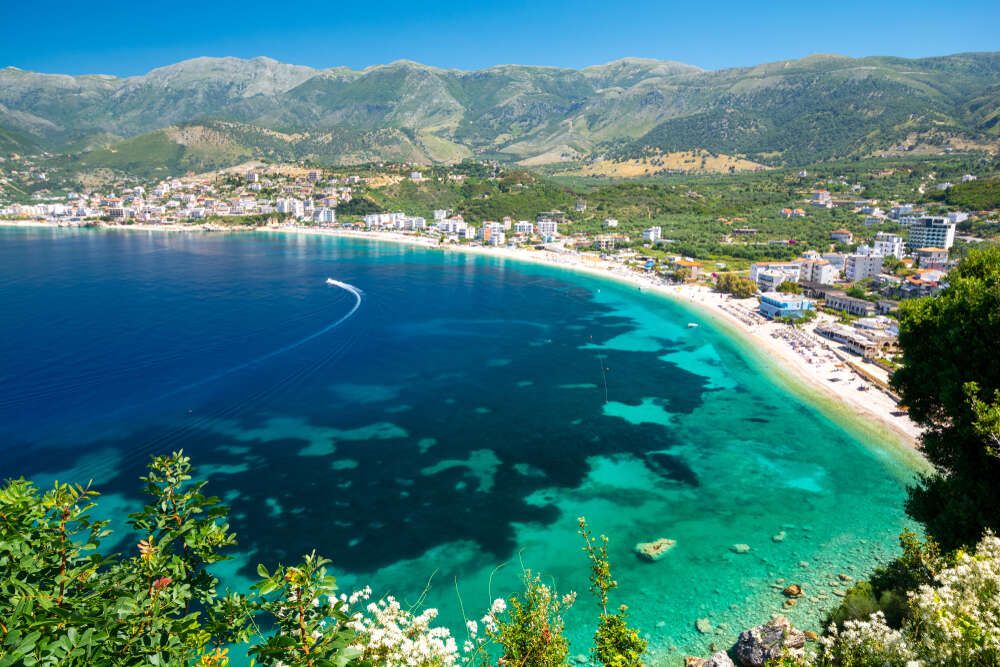
One of Albania’s greatest attractions is its spectacular coastline. The so-called Albanian Riviera extends along the Ionian Sea, with turquoise waters, white sand beaches and small coastal towns that preserve a calm pace of life. Places like Dhermi, Jale and Ksamil are authentic paradises where you can swim, practice water sports, sail or simply relax away from the hustle and bustle.
Unlike other Mediterranean coasts, many Albanian beaches remain practically virgin, without large hotels or invasive real estate developments. Here the traveler can enjoy hidden coves, family beach bars and unforgettable sunsets over the blue horizon.
The quality of the water and the cleanliness of the beaches usually surprise even the most experienced. In the Ksamil area, a few kilometers from the Butrint National Park, the islets and sandbanks seem to have arisen from a dream. Gjipe beach, accessible only on foot or by boat, is another of the best kept secrets of the Riviera: a vertical-walled canyon flows into a bay of crystal clear waters, ideal for those looking for adventure and total disconnection.
Mountain landscapes and hiking trails
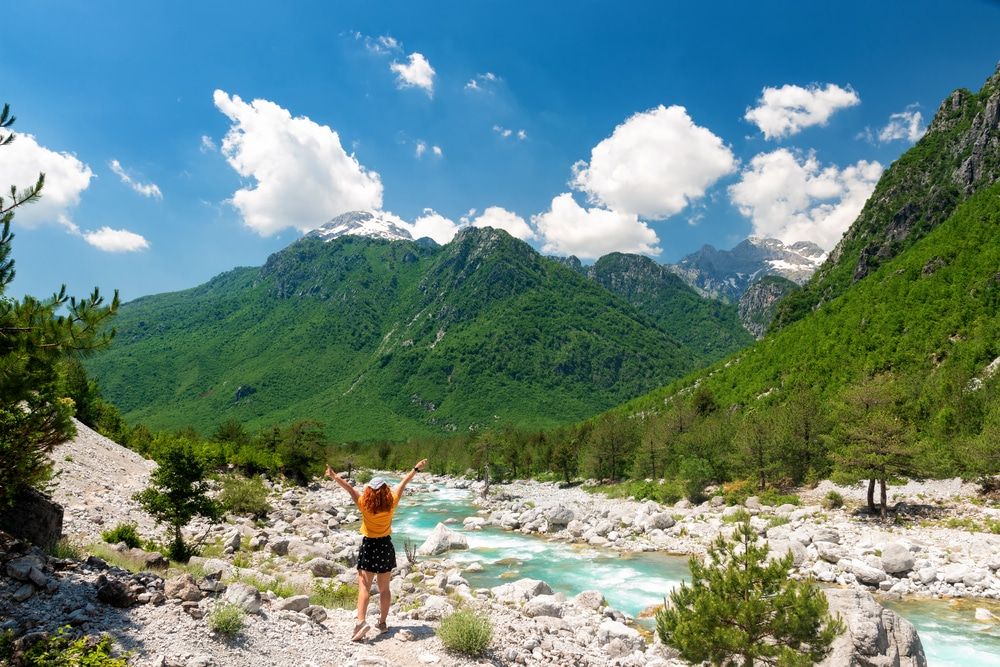
Albania is not just a beach: its mountainous geography is perfect for lovers of hiking, cycling and active tourism. The Albanian Alps (also known as the Cursed Mountains) form a landscape of deep valleys, steep peaks and small villages where time seems to have stopped.
One of the most popular routes is the one that joins the valleys of Theth and Valbona, a route that crosses meadows, forests and mountain passes, offering postcard panoramas and the possibility of getting to know Albanian rural life. Here, hospitality is proverbial: it is common for local families to open their homes to travelers, offering homemade food and accommodation in simple mountain guesthouses.
In the south, Llogara National Park combines forest, height and spectacular views over the Ionian Sea, while Lake Ohrid, shared with North Macedonia, is an ideal haven of peace and nature for those looking for authentic and untouristy experiences.
Ancient history and archaeological sites
Albania is a land of ancient history. Greeks, Romans, Byzantines, Ottomans and Venetians passed through its valleys and coasts, leaving traces that today the traveler can explore almost without crowds. Butrint, declared a World Heritage Site by UNESCO, is one of the most impressive archaeological sites in the Balkans: a set of ruins ranging from Greek temples to Venetian fortifications, surrounded by nature and lagoons.
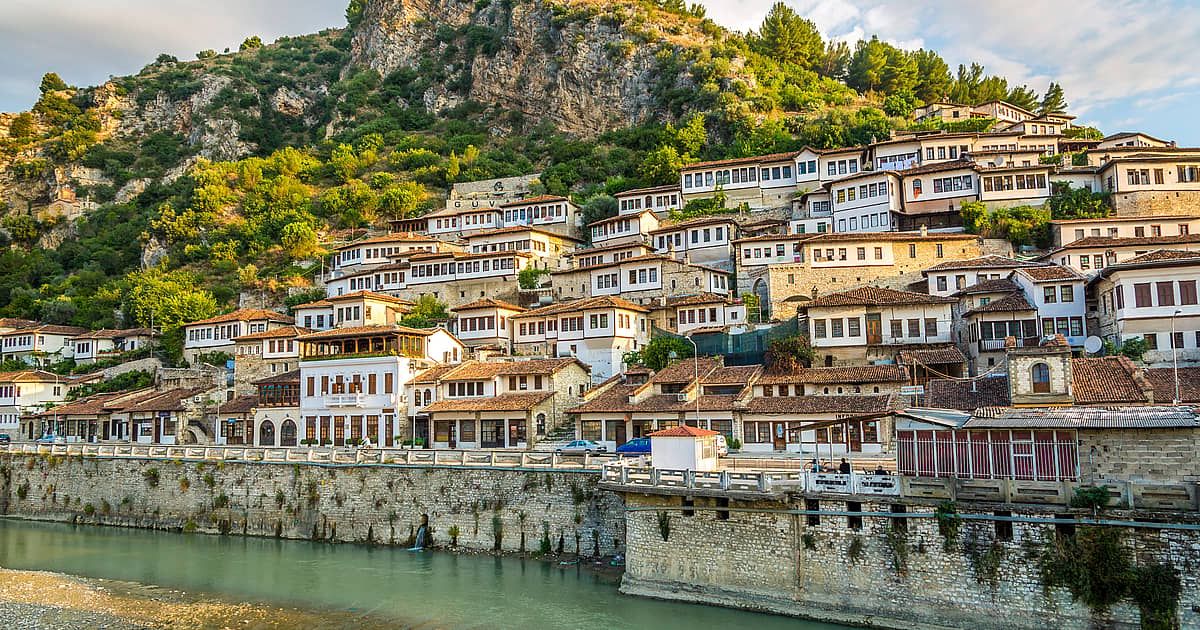
Another historical jewel is Gjirokastra, the stone city, with its castle at the top and a cobbled old town that seems to be stopped in time. Also recognized by UNESCO, Gjirokastra allows you to walk through traditional bazaars, discover Ottoman houses and admire the typical architecture of the Balkans.
No less surprising is Berat, known as the “city of a thousand windows.” Its fortress, churches and mosques narrate the coexistence of cultures over the centuries and offer one of the best examples of Ottoman architecture in Europe. Exploring Berat is immersing yourself in the living history of Albania, between steep alleys and panoramic views.
Authentic Albanian culture and hospitality
One of the aspects that travelers in Albania fall in love with the most is the hospitality of its inhabitants. The culture of the “kiss”, the value of the word given and the protection of the outsider, is still alive in the national DNA. It is common for visitors to be invited to share coffee, a meal or a conversation even if they do not speak the language.
Albanian cuisine is another reason for discovery. With Mediterranean, Balkan and Ottoman influences, it stands out for its simplicity, freshness and variety. Dishes such as byrek (stuffed filo dough pie), tavë kosi (lamb with yogurt), salads with local products and fresh fish on the coast are just a sample of what you can taste. And always accompanied by an artisan raki, a symbol of local hospitality.
Popular festivals, markets and festivals are a fundamental part of daily life, offering tourists the opportunity to integrate and get to know unique traditions. Southern polyphonic music, traditional dances and religious celebrations show the cultural diversity of Albania.
A safe and affordable destination
Despite some historical prejudices, Albania is currently one of the safest countries in Europe for tourism. Crime rates are low and local people are usually very protective of visitors. The tourist infrastructure has improved significantly in the last decade, with a growing offer of accommodation for all budgets: from boutique hotels in Tirana to small family hostels and seafront campsites.
Traveling through Albania is also surprisingly cheap. The prices of accommodation, transportation and food are much lower than in other European destinations, which allows you to travel around the country without sacrificing quality. Buses and vans connect cities and towns, and it is possible to rent cars to explore with greater freedom.
Tips for organizing your trip to Albania
- Best time to visit: From May to October, when the weather is warm and rain is scarce. July and August are ideal for the beach, although a little more crowded.
- How to get there: The airports of Tirana and Corfu (in Greece, with ferry to Saranda) are the main entry points.
- Visas: Most European and American citizens do not require a visa for short tourist stays.
- Transportation: Public transportation is cheap, but it can be irregular. Renting a car is the best option to discover remote places.
- Language: Albanian is the official language, although in tourist areas English is spoken and often Italian or Greek.
- Currency: The Albanian lek. It is advisable to bring some cash, although in large cities there are ATMs and many establishments accept cards.
Albania is, without a doubt, the hidden jewel of Europe that every curious traveler should visit now. Its combination of intact beaches, mountain landscapes, historical heritage and sincere hospitality offers a unique experience on the continent. Even away from massive routes, Albania invites you to discover, be surprised and fall in love with the authentic. If you are looking for a different, affordable and adventurous destination, do not hesitate: Albania awaits you with open arms and a story yet to be discovered.