
Bridges of History: Following the Footprints of the Ottoman Empire in the Balkans
Traveling the Balkans is embarking on a journey through centuries of history, where the legacy of the Ottoman Empire is still alive in the architecture, daily life and identity of the cities. For the curious traveler, cities like Sarajevo, Mostar and Skopje offer the opportunity to immerse yourself in a fascinating past, perceive the dialogue between East and West, and discover a heritage that still pulsates in bazaars, mosques and stone bridges.
This article proposes a complete tour of these emblematic destinations, analyzing their architecture, their cultural heritage and the most enriching experiences for those who want to understand the history of the Balkans beyond the books.
The Ottoman Empire and its influence in the Balkans
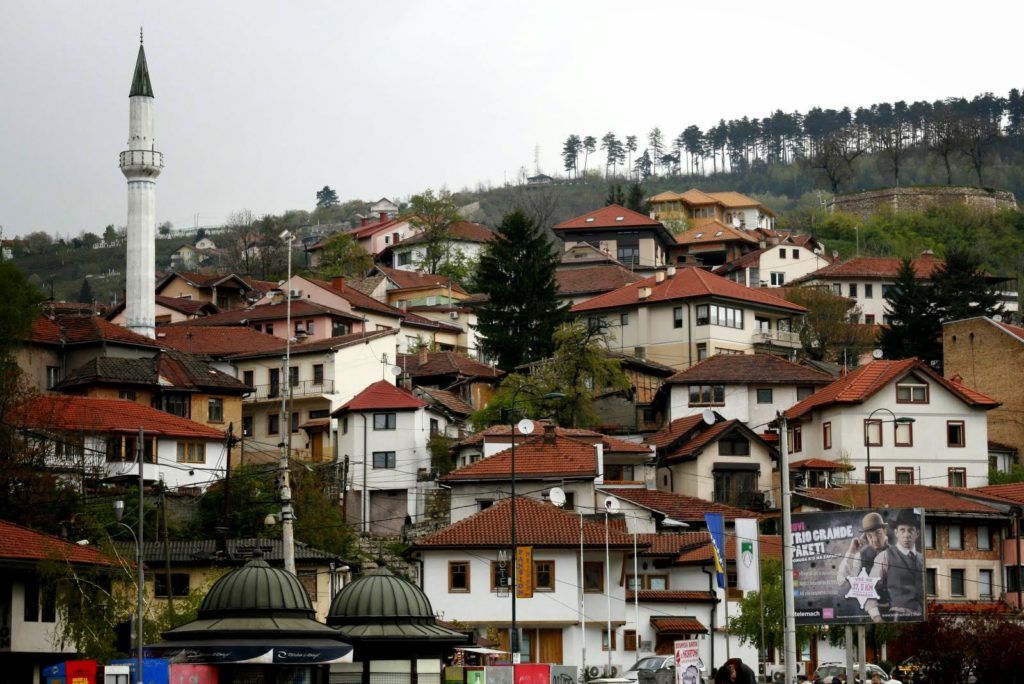
For more than four centuries, from the late 14th century to the beginning of the 20th century, the Ottoman Empire dominated much of southeastern Europe. The Balkans were not only territory of conquest, but also a stage of coexistence, miscegenation and cultural transformation. The Ottoman step left its mark on religion, art, urbanism, gastronomy and, especially, on the daily life of cities.
Today, the traces of that legacy are perceived in the silhouette of the minarets, in the interior courtyards of the houses, in the aroma of Turkish coffee and in the sound of the tongues. Traveling in the footsteps of the Ottoman Empire is understanding the present of the Balkans in the light of its past.
Sarajevo: the “Jerusalem of Europe”
Architecture and coexistence
Sarajevo, the capital of Bosnia and Herzegovina, is one of the best examples of the Balkan cultural mosaic. Founded in the 15th century by the Ottomans, the old city (“Bašcaršija”) concentrates most of the Islamic architecture: mosques, fountains, caravanserais, and the famous covered bazaar. Paved streets, the smell of freshly baked bread and the sound of calls to prayer make up an almost timeless atmosphere.
The spiritual heart of the city is the Gazi Husrev-beg Mosque, a jewel of Ottoman art inaugurated in 1531 and still in operation. Its wooded patio, geometric motifs and slender minaret summarize the aesthetic refinement of the time. A few meters away, the old caravan Morica Han remembers the days when merchants and travelers from everywhere stopped to rest and trade on the route to Istanbul.
Bridges and historical memory
Sarajevo is literally a city of bridges. The most famous is the Latin Bridge, over the Miljacka River, famous for being the scene of the attack that triggered the First World War. But there are also smaller Ottoman bridges, with stone arches that survive centuries of history and connect neighborhoods, communities and traditions.
Walking through the bridges and alleys of Sarajevo is to understand how the city became a symbol of coexistence and resistance. Mosques, synagogues, Catholic and Orthodox churches coexist a few meters away, giving meaning to the nickname “Jerusalem of Europe.”
Living gastronomy and culture
The Ottoman heritage is appreciated in the flavors: from the “cevapi” (small meat sausages) to the “burek” (filled dough cake), through the essential Bosnian coffee, direct heir of the Turkish. Sitting in a traditional cafe, listening to Sevdalinka music and letting yourself be carried away by the atmosphere is an essential part of the experience.
Mostar: the bridge as a symbol of unity and hope
The Stari Most: more than a monument
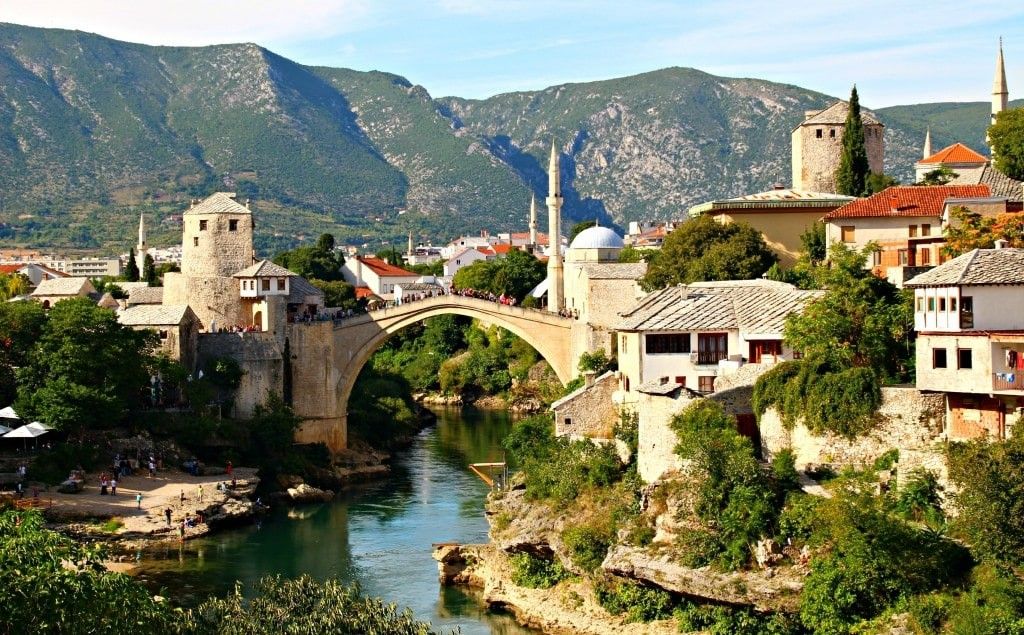
Mostar, south of Bosnia and Herzegovina, owes its fame to the Stari Most or Old Bridge, built in the 16th century by order of Sultan Suleiman the Magnificent. With its stone arch that rises above the Neretva River, the bridge is one of the most beautiful examples of Ottoman engineering outside Turkey and a UNESCO World Heritage Site.
For centuries, the Stari Most was the axis of Mostar’s social, economic and cultural life, connecting two shores that symbolized the coexistence of different communities. Its destruction during the Balkan War and its subsequent reconstruction represent the trauma and resilience of the region.
Today, contemplating the bridge at dawn, witnessing the acrobatic jumps of local divers or touring the adjacent bazaars allows the traveler to connect with the deep history and hopeful present of Mostar.
Mosques, cobbled streets and traditions
The Ottoman neighborhood of Mostar extends on both sides of the bridge, with cobbled streets, stone houses and centuries-old mosques such as the Koski Mehmed Pasha Mosque, which offers panoramic views from its minaret. Bazaars vibrate with the sale of carpets, jewelry and traditional souvenirs, and it is common to hear oriental music in cafes and restaurants.
The experience is completed by tasting honey sweets, baklava and typical dishes of local cuisine, in an atmosphere that mixes the old and the modern.
Skopie: the Ottoman footprint in the capital of North Macedonia
The Old Bazaar and the Stone Bridge
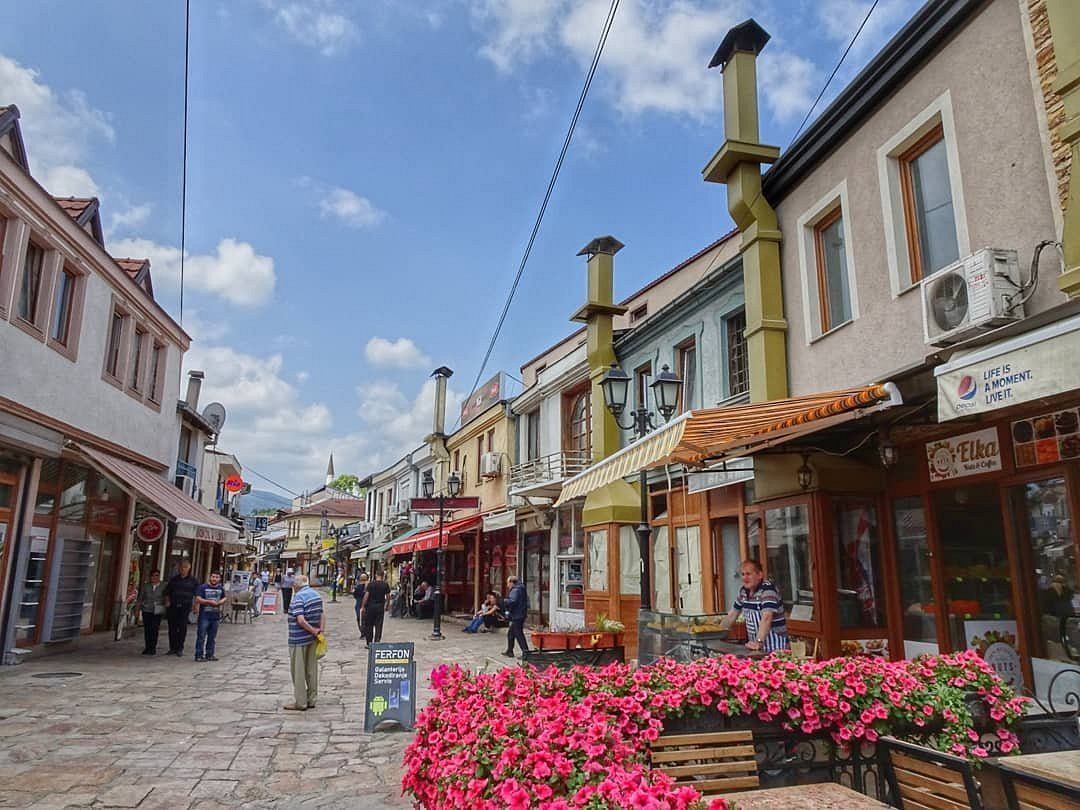
Skopje, the capital of North Macedonia, is another city marked by the Ottoman imprint. The Old Bazaar (Stara Caršija) is one of the largest and oldest in the Balkans, with a structure dating back to the 15th century. Here, between narrow alleys and centuries-old shops, it is possible to feel the pulse of Ottoman commercial life, still alive in the sale of spices, fabrics, footwear and handicrafts.
The Stone Bridge (Kamen Most), over the Vardar River, is the emblem of Skopje and joins the old part with the new one. Built in the 15th century, the bridge has withstood wars, earthquakes and regime changes, and today it is a meeting place and symbol of historical continuity.
Mosques, Turkish baths and culture
The Ottoman legacy is manifested in dozens of mosques, such as the Mustafa Pasha Mosque, famous for its delicate ornamentation, and in the ancient Turkish baths (hamam), some transformed into art galleries or museums. These spaces evoke the importance of social life and hygiene in Ottoman culture.
The cafes in the area, where Turkish-style coffee and oriental sweets are served, offer a perfect atmosphere to rest after a walk. Cultural life is enriched with festivals, exhibitions and events that vindicate the multicultural heritage of the city.
Other Ottoman treasures in the Balkans
Although Sarajevo, Mostar and Skopje are the most visible jewels, the imprint of the Ottoman Empire is present in many other Balkan cities and towns:
- Plovdiv (Bulgaria): its old town, mosques and historic baths stand out.
- Prizren (Kosovo): famous for its historic center, fortress and stone bridges.
- Novi Pazar (Serbia): combines Islamic and Orthodox architecture in a privileged natural environment.
- Gjirokastra Bazaar (Albania): cobbled streets and markets that preserve the essence of the Ottoman past.
Exploring these places is broadening the perspective on the diversity of the Ottoman legacy and discovering how architecture and customs have adapted over the centuries.
Tips for the traveler looking for Ottoman heritage
- Take your time: dedicate at least two days to each city to capture its atmosphere and walk through the historic neighborhoods calmly.
- Try the local cuisine: don’t limit yourself to kebab, experiment with sweets, breads, coffees and traditional dishes from each region.
- Visit mosques and participate in festivals: respect the schedules and rules, and if you have the opportunity, attend cultural or religious events open to visitors.
- Take guided tours: local guides usually offer stories and historical details that you won’t find in printed guides.
- Photograph with respect: some religious sites and families prefer privacy. Check before taking pictures indoors.
- Explore markets and bazaars: they are the heart of everyday life and offer the best opportunity to converse with the inhabitants and understand the local culture.
Touring Sarajevo, Mostar and Skopje in the footsteps of the Ottoman Empire is much more than a history lesson: it is living the coexistence of cultures, religions and lifestyles. It is crossing bridges—physical and symbolic—that have withstood wars and changes, and discovering how Ottoman heritage is still alive in Balkan architecture, art and hospitality.
For the traveler who seeks authentic experiences and wants to delve into the complexity of the Balkans, this tour is an open door to a fascinating past and a present full of nuances. Whether admiring a minaret at sunset, walking through a century-old bazaar or crossing a stone bridge over historic waters, the Ottoman history of the Balkans reveals itself as one of its most valuable treasures, waiting to be discovered by those traveling with an open mind and heart.