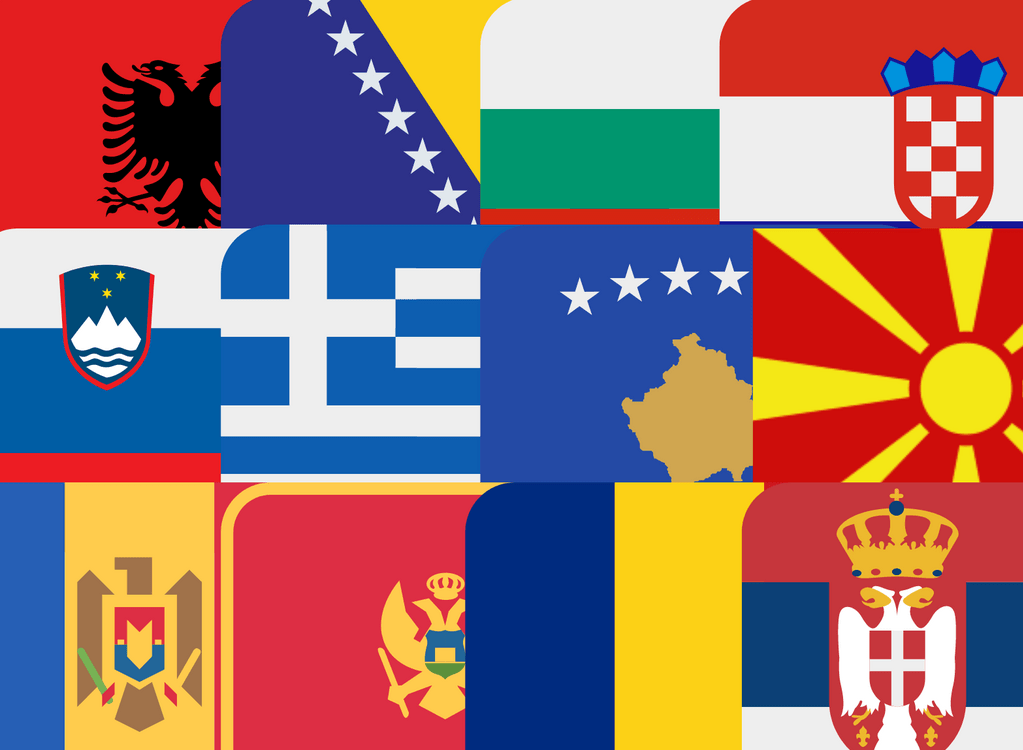
When travelers think of Europe, they usually first imagine the great tourist icons of Paris, Rome, London or Barcelona. However, those looking for authentic experiences, affordable prices and places that still maintain their original spirit, are discovering the irresistible charm of Serbia. This Balkan country, a crossroads between East and West, offers vibrant cities, traditional villages, national parks full of life and a hospitality that turns every visit into an indelible memory. In this article I show you why Serbia is the surprise that your travel itinerary needs, highlighting the best of Belgrade, Novi Sad and other little explored corners of the country.
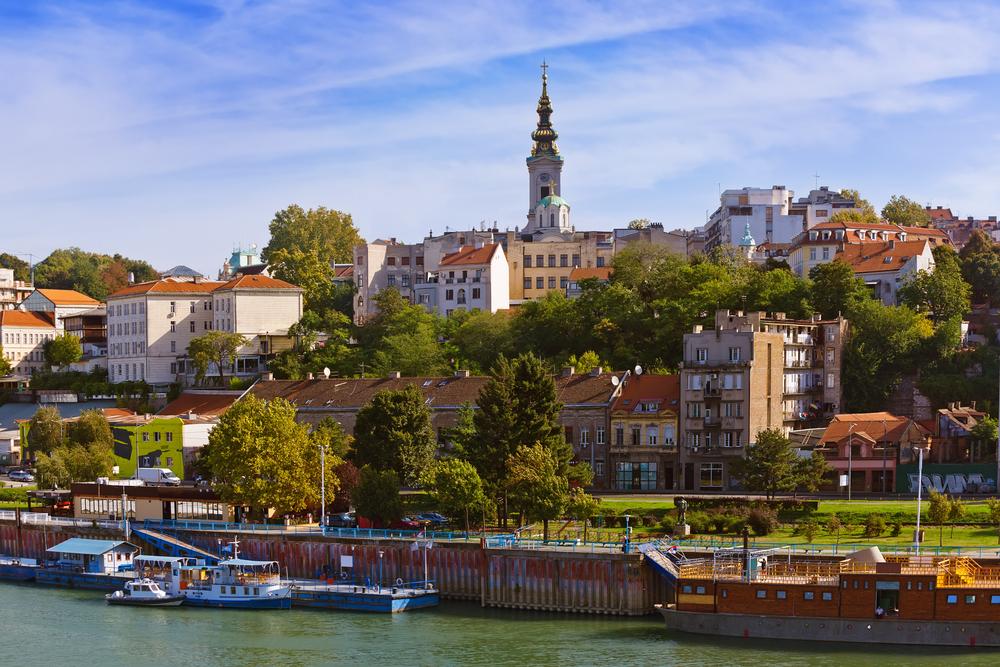
Belgrade: Energy, history and nightlife next to the Danube
The capital of Serbia, Belgrade, is one of the oldest cities in Europe, located at the confluence of the Danube and Sava rivers. Its history, marked by Romans, Ottomans, Austro-Hungarians and Serbs, is perceived in its streets, fortresses and markets, where each stone tells a story.
Kalemegdan Fortress
The emblem of Belgrade is the fortress of Kalemegdan, a vast complex on top of a hill with panoramic views of the Danube. Walking through its walls is traveling back in time: the fortress has witnessed dozens of battles and sieges over the centuries. In addition to history, Kalemegdan is today a large park, full of museums, exhibitions, gardens and terraces where locals and tourists enjoy unforgettable sunsets.
Life in the old city and Savamala
The bohemian neighborhood of Skadarlija is ideal for those looking for a traditional Serbian evening, with restaurants (“kafanas”) where you can try live music, dishes such as cevapi or sarma, and wines from the region. On the other hand, the Savamala area represents the alternative and modern side of Belgrade: art galleries, floating bars (“splavovi”) over the river and nightclubs where the party never seems to end.
Culture, art and museums
Belgrade is also a city of museums: the National Museum of Serbia houses archaeological treasures and important collections of European art, while the Nikola Tesla Museum fascinates those curious about science and technology. Don’t miss the Cathedral of San Sava, one of the largest Orthodox temples in the world, whose interior is as monumental as its imposing white dome.
Novi Sad: Culture, music and the soul of Voyvodina
Just an hour by train or bus from Belgrade, is Novi Sad, the second city in Serbia and capital of the province of Vojvodina. Located on the banks of the Danube, Novi Sad is known for its relaxed atmosphere, its multicultural history and its active cultural scene.
Petrovaradin: The fortress and the “Danube Gibraltar”
The greatest attraction of Novi Sad is the Petrovaradin fortress, a gigantic 18th century defensive complex nicknamed the “Danube Gibraltar”. Its underground tunnels, walls and views over the river are only part of the charm: in summer, the fortress becomes the scene of the famous EXIT Festival, one of the largest music festivals in Europe.
Historic center and local life
The pedestrian center of Novi Sad is perfect for walking, discovering cafes with terraces, tasting local desserts such as Krempita and admiring the Austro-Hungarian architecture of Freedom Square and St. George’s Catholic Church. Markets and festivals, such as the Karlovci Wine Festival or the celebration of the harvest, allow the traveler to integrate into the daily life of the region.
Route through the villages of Voivodina
The province of Vojvodina is famous for its ethnic diversity, vineyards and picturesque villages. A tour by car or bicycle allows you to get to know towns like Sremski Karlovci, Beocin or Kulpin, with baroque churches, family wineries and a tranquility that seems to have stopped in time.
National parks and wild nature
Serbia also surprises with its nature and the richness of its national parks, ideal for those looking for adventure, landscapes and contact with biodiversity.
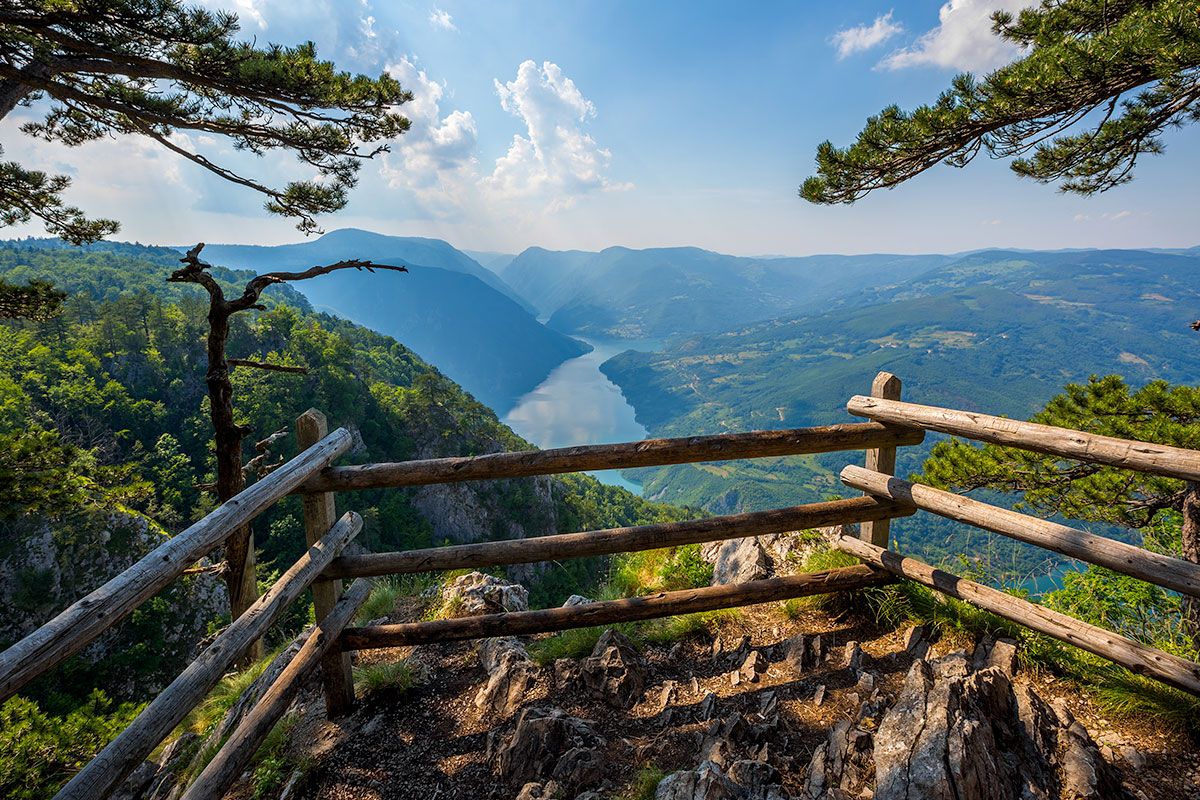
Tara National Park
Located in the west of the country, Tara National Park is a paradise of forests, lakes and deep gorges. Here lives the European brown bear and you can see birds, go hiking, mountain biking and even sailing on the Drina River. The monastery of Raca, nestled in the middle of the forest, is a haven of peace and spirituality.
Ðerdap National Park
On the banks of the Danube, on the border with Romania, the Ðerdap National Park (or Iron Gate) is home to the longest gorge in Europe, Roman ruins such as the Traian Tabula, and spectacular viewpoints such as Lepenski Vir, an archaeological site of more than 8,000 years.
Kopaonik National Park
In winter, Kopaonik is Serbia’s main ski destination, with modern facilities and slopes for all levels. The rest of the year, its forests and meadows are perfect for hiking, observing endemic flora and relaxing in mountain spas.
Rural heritage and traditional villages
Outside the big cities, Serbia keeps treasures in the form of historic villages, Orthodox monasteries and rural traditions that survive intact the passage of time.
Drvengrad and the train journey “Šargan Eight”
In the mountains of Mokra Gora, near the border with Bosnia, film director Emir Kusturica built the village of Drvengrad (or Kustendorf), a wooden village that serves as a movie set, hotel and cultural center. From here departs the famous narrow-track train “Šargan Eight”, a historical jewel that runs through mountain landscapes through tunnels and panoramic bridges.
Medieval monasteries
Serbia is famous for its Orthodox monasteries, many of them World Heritage Sites. Places like Studenica, Žica, Sopocani and Manasija combine millennial frescoes, unique architecture and a spiritual atmosphere difficult to match. Visiting these monasteries is to know the deep soul of the country.
Gastronomy and hospitality
In Serbia, the table is sacred. The cuisine combines Balkan, Ottoman and Central European influences, with dishes such as sarma, ajvar, pljeskavica and sweets such as baklava. In rural areas, it is common for travelers to be greeted with homemade rakija, family-produced wines and generous portions of homemade food. Participating in a traditional meal or a popular festival allows you to understand the true meaning of Serbian hospitality.
Less known secrets and corners to discover
Beyond Belgrade and Novi Sad, Serbia hides little explored jewels:
- Niš: Birthplace of the Roman emperor Constantine the Great, with its Ottoman fortress, the archaeological site of Mediana and the disturbing Tower of Skulls.
- Uvac: Nature reserve known for its winding canyon, habitat of the griffon vulture, navigable by kayak or boat.
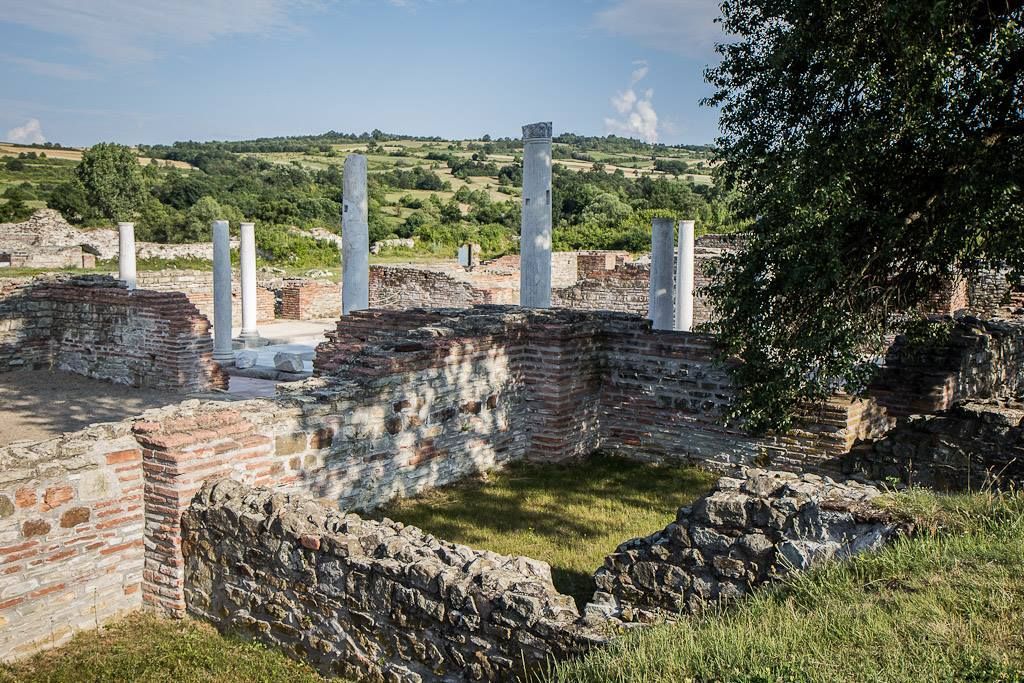
- Felix Romuliana: Roman archaeological site declared a UNESCO World Heritage Site, near the city of Zajecar.
- Subotica: To the north, with its art nouveau architecture and multicultural atmosphere.
- Lake Palic: Ideal for rest, hiking and bird watching.
Practical tips for traveling in Serbia
- Transport: Serbia has a good network of buses and trains between the main cities. For towns and parks, renting a car is recommended.
- Best time: From May to October for mild weather and festivals; in winter for skiing in Kopaonik.
- Language: Serbian uses the Cyrillic alphabet, but in tourist areas English is common.
- Budget: Serbia is one of the cheapest destinations in Europe; eating, sleeping and traveling is much cheaper than in the rest of the continent.
- Security: It is a safe country for tourists; people are hospitable and usually help foreigners.
- Gastronomy: Don’t leave without trying rakija, local cheese and grilled meats.
Serbia is, without a doubt, the great surprise that many European travelers have not yet discovered. From the energy of Belgrade to the tranquility of its national parks, through the cultural richness of Novi Sad and the authenticity of its rural villages, this country offers a unique experience for those looking for something different, genuine and enriching. If your itinerary through Europe needs an unusual destination, Serbia is the answer: living culture, deep history and landscapes that amaze in every corner. Do you dare to discover the best kept secret of the Balkans?