
Legendary Castles and Fortresses: A Route through the Medieval History of the Balkans
Exploring the Balkans is time travel. Between mountains and valleys, next to powerful rivers and stone cities, stand castles and fortresses that have witnessed conquests, legends, battles and secret pacts. In countries such as Serbia, Croatia and Romania, the curious traveler finds routes full of medieval history, unforgettable panoramas and stories that are still alive in the local memory. This guide offers a complete itinerary to discover the most impressive fortresses in the region, with practical advice, historical data and unique experiences for lovers of history, architecture and adventure.
The medieval legacy in the Balkans
The Middle Ages in the Balkans was marked by the struggle between empires, the emergence of local kingdoms and the constant defense against invasions. Fortresses and castles were erected as defensive bastions and symbols of power. Even today, many of these constructions dominate the landscape and offer the visitor the opportunity to immerse themselves in centuries of history: towers, walls, pits and secret passages tell stories of kings, knights, mercenaries and betrayals.
Serbia: between the Danube and the Carpathians
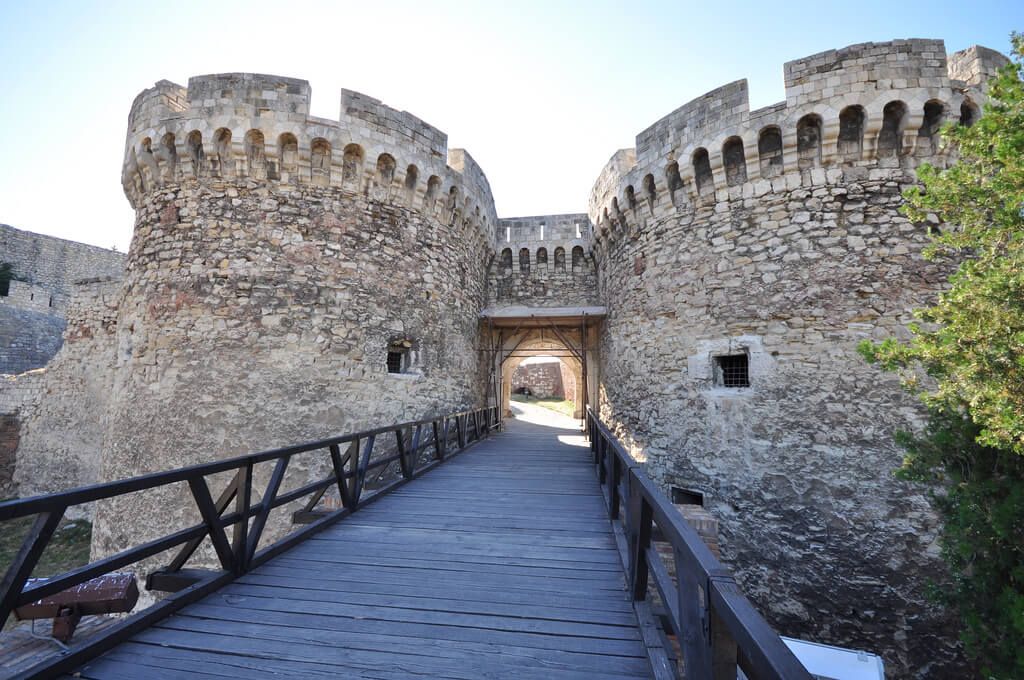
Kalemegdan Fortress (Belgrade)
In the heart of the Serbian capital, where the Danube and Sava rivers converge, is the fortress of Kalemegdan, one of the most emblematic in southeastern Europe. Its origin dates back to Roman times, but it reached its maximum splendor in medieval times under the rule of Serbian kings and, later, of the Ottomans and the Habsburgs.
Unmissable:
- Walk through its walls and towers, with panoramic views of the rivers.
- Visit the military museum and the remains of the interior citadel.
- Enjoy the gardens and parks that surround the fortress, today a meeting point for locals and tourists.
Golubac Fortress
On the banks of the Danube, at a strategic point of Serbia’s eastern border, stands the impressive Golubac fortress. Its towers, some of them built directly on rock and water, offer a medieval story image. For centuries, it was coveted by Hungarians, Serbs, Ottomans and Austrians.
Traveler’s advice:
- It can be reached from Belgrade by car or guided tour (approx. 2 h).
- The visit includes panoramic walkways, exhibition on the history of the fortress and interactive activities.
Smederevo Fortress
Built in the 15th century as the last defense of the medieval Serbian state against the Ottoman advance, the fortress of Smederevo is one of the largest flat fortresses in Europe. Its imposing walls and towers on the bank of the Danube invite you to walk and enjoy historical festivals and cultural events.
Don’t miss:
- The annual medieval festival, with fairs, markets and historical recreations.
- The views of the Danube and the sunsets over the walls.
Croatia: the Dalmatian Coast and its fortresses
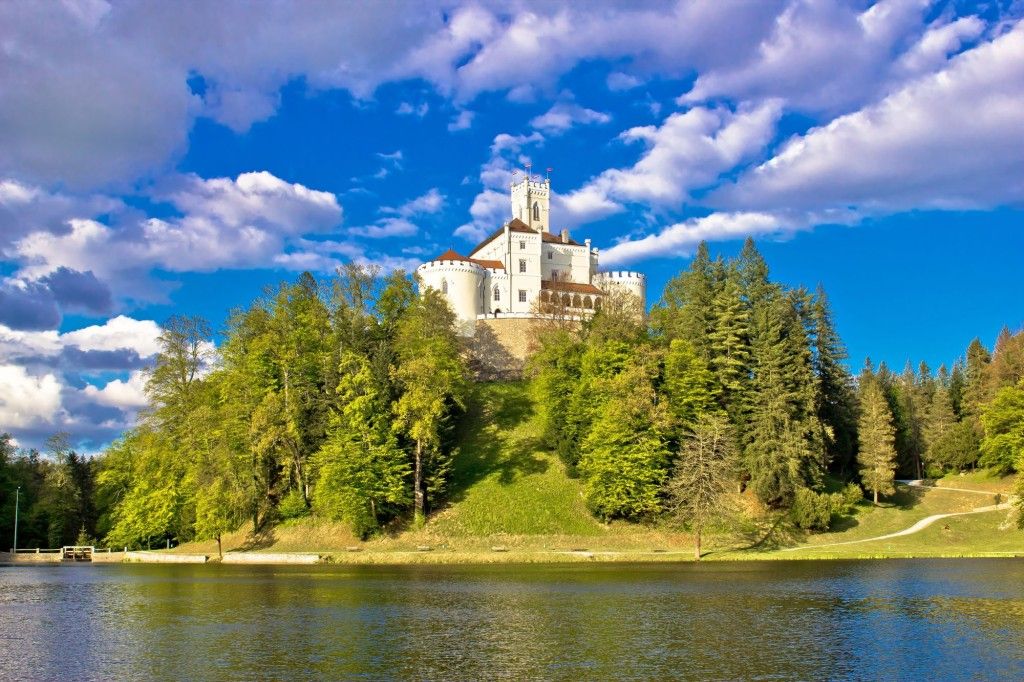
Trakošcan Castle
In northern Croatia, Trakošcan Castle looks like something out of a fairy tale. Surrounded by forests and an artificial lake, it combines Gothic and Renaissance styles. It was the residence of Croatian nobles for centuries and today houses a museum with furniture, weapons and historical paintings.
Recommended experience:
- Make the circuit through the historic rooms and climb the tower to enjoy the views.
- Stroll along the paths and gardens that surround the castle.
Klis Fortress
Near Split, the fortress of Klis dominates a strategic passage between the coast and the interior of Dalmatia. Since ancient times it was a military key, defending the region from Ottoman and Venetian invasions. Today, the fortress is also known for its appearance in historical television series.
Useful tips:
- The climb is steep, wear comfortable shoes and water.
- The views over Split and the Adriatic Islands are unmatched.
- Check the calendar of events and medieval recreations.
Walls of Dubrovnik
You can’t talk about medieval fortifications without mentioning the walls of Dubrovnik. Declared a World Heritage Site, they surround the ancient city and offer a unique tour on the roofs, towers and bastions that withstood sieges and wars for centuries.
Essential:
- Walk the entire circuit of walls (2 km approx.), stopping at the Minceta, Bokar and Lovrijenac towers.
- Visit the fortress of San Lorenzo, which protects the entrance to the port.
- Take the opportunity to take photos in the early hours of the day, avoiding the crowds.
Romania: castles and legends among the Carpathians
Bran Castle
Famous worldwide for the legend of Dracula, Bran’s castle is much more than a literary myth. Its history dates back to the 14th century and it was built as a border defense between Transylvania and Wallachia. Its pointed towers, narrow corridors and Gothic atmosphere make it one of the most visited destinations in Eastern Europe.
What to do in Bran:
- Tour the interior and the exhibitions on medieval history and the figure of Vlad Tepes (Vlad the Impaler).
- Explore the market of handicrafts and local products in the surroundings.
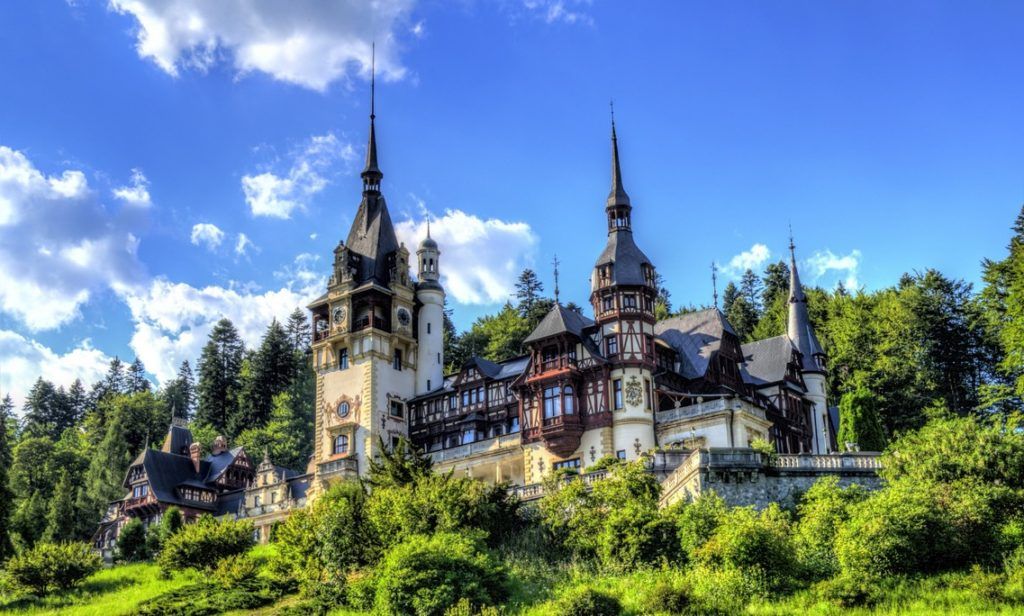
Peleș Castle
Located in Sinaia, at the foot of the Carpathians, Pele’s castle It is a 19th century jewel that mixes Renaissance, Gothic and Baroque influences. Although after the Middle Ages, its architecture and decoration make it an essential destination for castle lovers.
Recommendation:
- Don’t miss the guided tour of the weapons halls, tapestries and stained glass windows.
- Enjoy the gardens and panoramic views of the mountains.
Citadel of Râșnov
At the top of a hill over the valley of Brașov, the citadel of Râșnov was built by the Teutonic knights and expanded in medieval times to protect the inhabitants from Tatar and Ottoman invasions. Its walls, towers and internal farmhouses allow us to imagine life in times of siege.
Attractive:
- Ascent on foot or by funicular from the village.
- Historical re-reasals, workshops for children and night visits.
Tips for an unforgettable medieval route
- Plan ahead: the ideal route is between 7 and 15 days, depending on the pace and interests. Consider renting a car or combining train and bus.
- Research schedules and prices: many strengths have reduced hours out of season and special events in summer.
- Guided tours: take advantage of the visits with expert guides, which offer historical details and legends not always present in the brochures.
- Prepare your camera: the castles and fortresses usually offer the best viewpoints and photographic opportunities in the region.
- Explore beyond: Don’t hesitate to stop at nearby villages or lesser-known sites; often, the most fascinating stories arise from conversations with local residents.
- Live the story: if you travel in summer, take advantage of medieval festivals, jousts, markets and concerts that are usually held in these historic stages.
The route of castles and fortresses of the Balkans is much more than a journey through architecture and the war past: it is an open door to centuries of history, legends and living culture. From the imposing walls of Belgrade and Dubrovnik to the Gothic castles of Transylvania, each stage invites you to discover forgotten heroes, local traditions and panoramas that seem to come out of an epic novel. For the traveler passionate about history, medieval stories and adventure, the Balkans offer an unforgettable itinerary, full of mysteries and treasures to discover.
Ready to live your own medieval journey? The castles and fortresses of Serbia, Croatia and Romania await you with their doors open and their legends still whispering between the stones.