Traveling through the Balkans is much more than visiting ancient cities, mountains and valleys. It is to enter a land marked by ancestral stories, fascinating legends and oral traditions that have survived centuries of change. In every corner, behind every ruined castle or lost lake, beats the pulse of folklore as vibrant as it is mysterious, where myths coexist with everyday life and travelers can experience a unique dimension of the region.
In this article, I invite you to immerse yourself in the myths and legends of the Balkans, exploring the places that inspire them and the most authentic experiences you can live if you travel with curiosity and imagination. Ideal for tourists looking for something beyond the typical, and for those who want to discover the deep soul of a region still full of secrets to be revealed.
Balkan folklore: a melting pot of cultures and beliefs
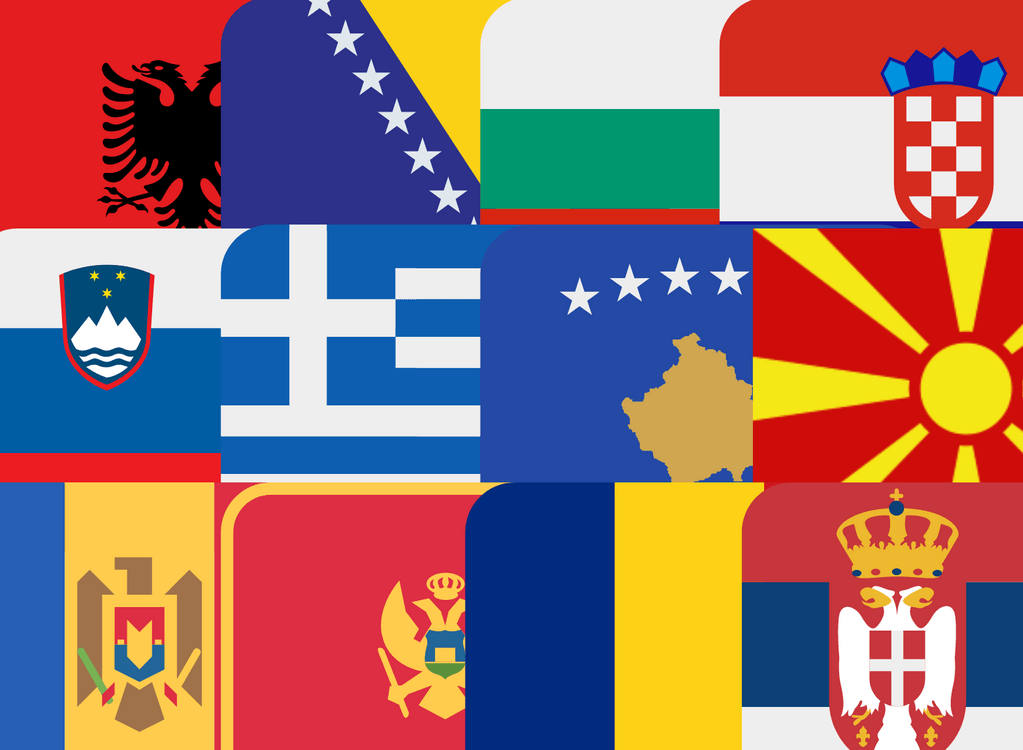
The Balkans include countries such as Albania, Bosnia and Herzegovina, Bulgaria, Croatia, North Macedonia, Montenegro, Romania, Serbia, Slovenia, and Greece, among others. For centuries, the region was a crossroads of empires, religions and cultures: Slavs, Ottomans, Byzantines, Romans and native peoples left their mark on the collective memory.
Here, folklore is not just entertainment: it is a way of interpreting the world and explaining the inexplicable. The myths of vampires and werewolves, the legends of dragons, fairies and tragic heroes are part of the intangible heritage, transmitted from generation to generation and still present in festivals, songs and popular stories.
Unmissable myths and legends of the Balkans
Vlad the Empalator and the vampire myth (Romania)
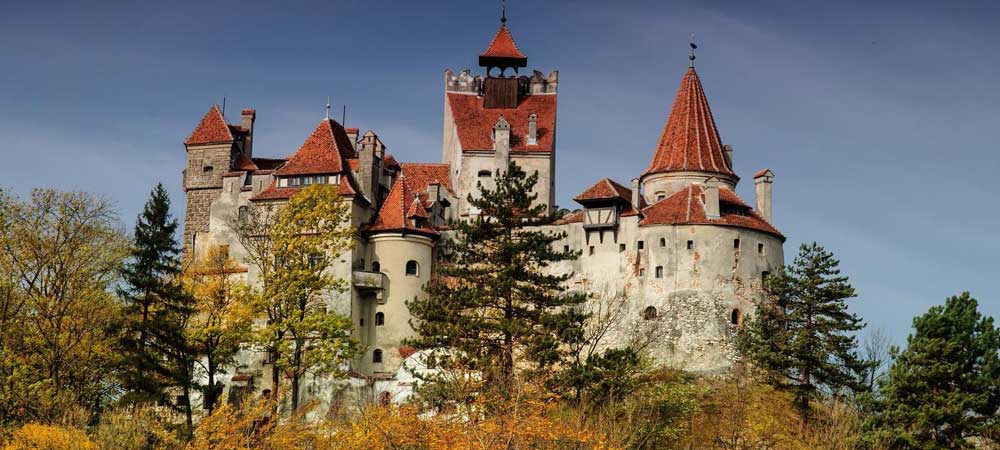
You can’t talk about the Balkans without mentioning Vlad Draculea, the historic prince of Wallachia who inspired the figure of Dracula, one of the most universal characters in world folklore. His most famous castle is Bran Castle, near Bra? Ov, in Romania, a destination that attracts travelers from all over the planet.
Although the vampire legend already existed in Balkan folklore before Bram Stoker, the figure of Vlad the Impaler and his bloody reputation reinforced fears and superstitions about nocturnal beings returning from the grave. Visiting the Carpathians, medieval fortresses and villages of Transylvania is immersing yourself in Gothic landscapes that seem to have emerged from a novel.
The woman of water and the nymphs of the lakes
In Balkan folklore, legends about supernatural women who inhabit rivers and lakes abound. The “vila” in Serbia and Bosnia, or the “samodiva” in Bulgaria, are female spirits linked to water and forests. It is said that they appear at sunrise or sunset, seducing unprepared travelers or protecting hidden treasures.
Some of the most mysterious lakes in the region, such as Lake Skadar between Montenegro and Albania, or Lake Ohrid in North Macedonia, are associated with stories of nymphs, enchantments and inexplicable disappearances. The magical atmosphere of these places intensifies when visiting in low light hours, listening to stories from the locals.
Dragons and legendary beasts
The mountains of the Balkans are also home to stories about dragons, giant snakes and mythological creatures. In Bulgaria, the “zmey” is a dragon that can be benevolent or dangerous, depending on its relationship with humans. In Slavic tales, dragons often guard fountains, caves and mountains, and can be appeased only by heroes or saints.
Touring the Rila mountain in Bulgaria or exploring the caves of Slovenia and Croatia can be an opportunity to imagine the footprints of these fabulous beings. Even today, some rural festivities celebrate rituals that recall ancient symbolic struggles against the forces of evil.
The Bridge over the Drina and the ghosts of Višegrad (Bosnia)
The stone bridge over the Drina River in Višegrad, Bosnia and Herzegovina, is one of the most imposing historical monuments in southeastern Europe, and the protagonist of stories about ghosts and souls in pain. According to legend, the builders who built the bridge had to sacrifice a couple so that the structure could resist the floods of the river, and since then, their spirits roam the area.
The place, a World Heritage Site, is perfect for travelers interested in history, architecture and unsolved mysteries. Walking at sunset on the bridge or sailing the Drina allows you to connect with one of the most famous legends of the Balkans.
The moving stones of Kuklica (North Macedonia)
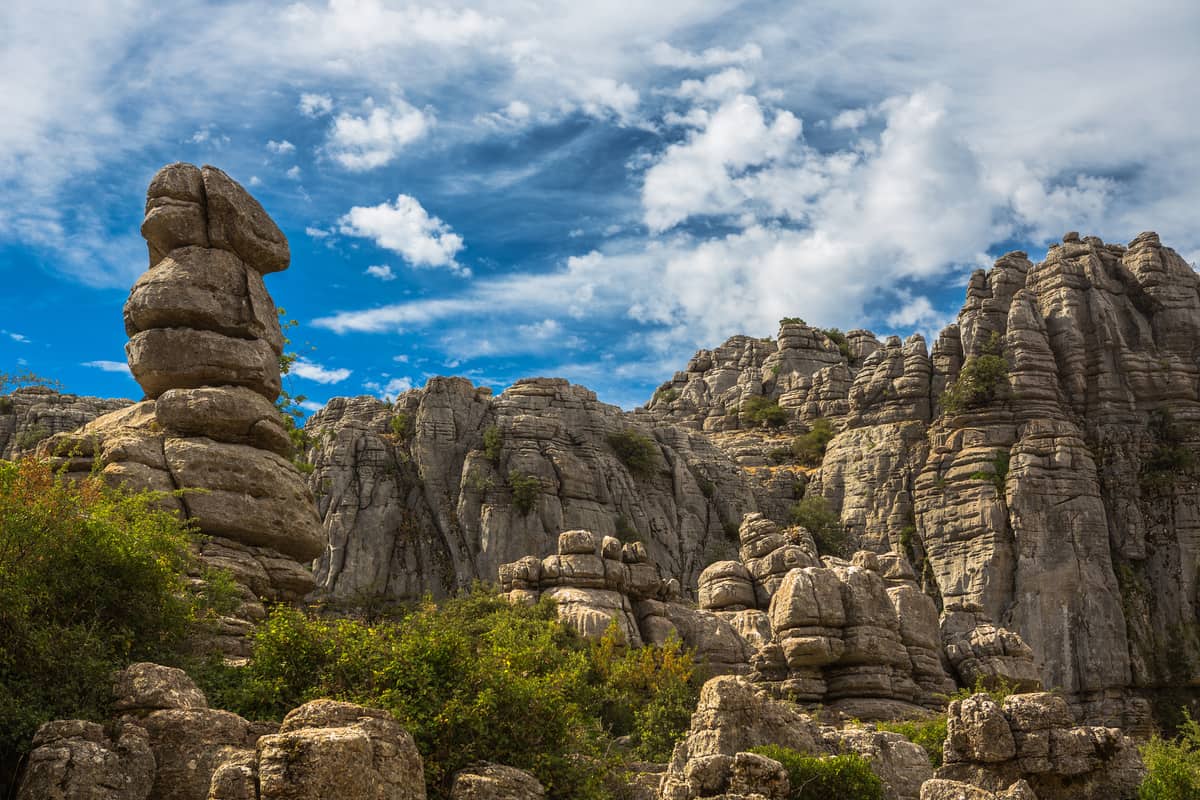
In northern North Macedonia is the geological site of Kuklica, known as the “village of stones”. According to legend, these strange rock formations are actually the petrified remains of cursed wedding guests, punished by betrayal and jealousy. Beyond science, the surreal atmosphere and the strength of the myth make Kuklica a fascinating destination for those looking for alternative tourism and unconventional landscapes.
Mysterious sites and recommended routes for curious travelers
For the tourist interested in folklore and the unusual, the Balkans offer a huge variety of lesser-known destinations that invite exploration. Some of the most suggestive places include:
- The Monastery of Rila (Bulgaria): a World Heritage site surrounded by forests and mountains, famous for legends of miracles and supernatural apparitions.
- The Poenari Fortress (Romania): less visited than Bran, but considered the royal fortress of Vlad the Impaler.
- The caves of Postojna and Škocjan (Slovenia): scene of stories about dragons, hidden treasures and portals to the underworld.
- The Monastery of Ostrog (Montenegro): perched on a cliff, associated with miraculous healings and pilgrimages full of mystery.
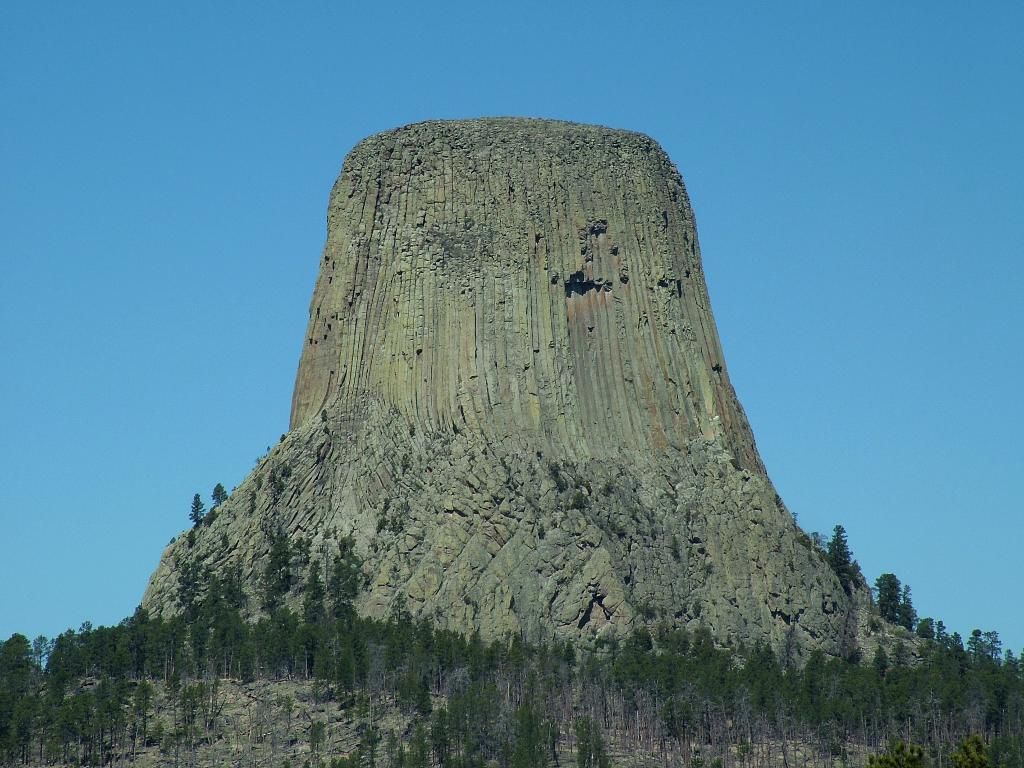
- The Devil’s Tower (Serbia): a strange rock formation surrounded by legends about diabolical pacts and popular heroes.
Traveling through these places involves not only contemplating amazing landscapes, but also opening up to oral narration, stories transmitted by guides and the elderly, and popular festivals where the border between the real and the fantastic becomes blurred.
Living folklore: festivals, rituals and cultural tourism
One of the most authentic ways to approach the mythical universe of the Balkans is to participate in its traditional festivals. In Bulgaria, the Kukeri festival is famous for its monstrous masks and costumes, which scare away evil spirits. In Romania, the Dracula Festival summons travelers from all over the world around castles, tales and historical recreations. In Serbia and Montenegro, St. George’s Day rituals celebrate the passage of the seasons with bonfires, dances and music.
Many mountain villages and rural villages keep alive the custom of telling legends at night, around the fire, especially during cold winters. Joining a local evening is an opportunity to hear stories never written, feel the pulse of tradition and understand why folklore is still alive and vibrant in the Balkans.
Tips for the traveler interested in myths and legends
- Listen to the locals: ask your hosts or guides for stories of the area. Many legends are not in the books or on the internet.
- Off-season visit: mysterious places usually have more charm and fewer crowds in spring or autumn.
- Participate in festivals: find out the dates of traditional festivals or rituals and join as a respectful observer.
- Carry a notebook: write down the stories you hear; many of them disappear with the generations.
- Open your mind: in the Balkans, the border between myth, reality and history is sometimes subtle.
The Balkans are much more than landscapes and monuments: they are land of stories that still beat in every town and corner. Discovering the myths and legends of the region is a way to travel back in time, understand cultural diversity and open up to unforgettable experiences. Whether exploring castles shrouded in fog, listening to vampire stories, or participating in millennial rituals, every traveler will find a treasure trove of mysteries to discover in the Balkans. If you are looking for a different trip, Balkan folklore awaits you with its doors open.