Beyond Dubrovnik: Exploring Authentic Islands and Inland Croatia
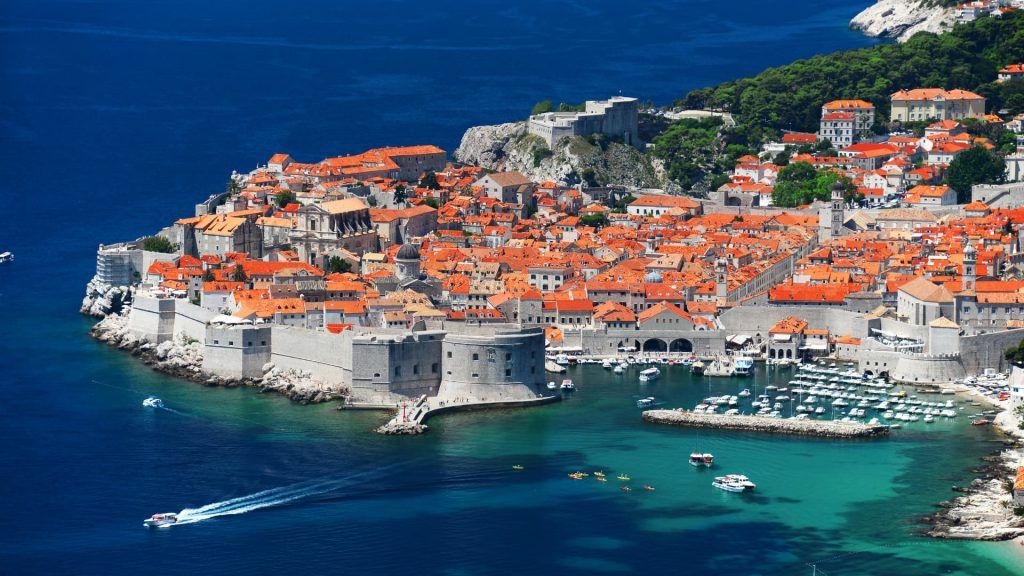
When we think of Croatia, it is almost inevitable to imagine the medieval silhouette of Dubrovnik, its walls next to the Adriatic and the fame it has achieved as one of the most visited tourist destinations in Europe. However, the Balkan country is much more than its “Pearl of the Adriatic.” For the traveler looking for authentic experiences, living culture and landscapes that go far beyond postcards, exploring the lesser-known islands and the interior of Croatia is the real secret to an unforgettable trip. This article is an invitation to discover that other side of Croatia: its secret islands, national parks, stone villages, ancestral traditions and the genuine hospitality of its people.
Choose well: Croatia is much more than Dubrovnik
Dubrovnik rightly shines. But in high season it can be saturated by crowds and cruises, and prices increase significantly. The good news for the informed traveler is that outside the main route there are equally fascinating destinations, less crowded and full of authenticity.
Reasons to go beyond Dubrovnik:
- Avoid crowds: Enjoy the quietest and most genuine Croatia, where mass tourism has not transformed everyday life.
- More affordable prices: Accommodation, restaurants and services are usually cheaper outside the ultra-tourist areas.
- Discover traditions: The small islands and villages preserve celebrations, crafts and lifestyles that have been lost on the most famous coast.
- Virgin nature: Explore national parks and beaches where biodiversity is the protagonist and contact with nature is real.
The secret islands of Croatia: beyond Hvar and Korcula
The more than a thousand Croatian islands offer options for all tastes. Beyond the popular names, there are endless destinations where the pace is slow and the sea seems even more transparent.
Vis: the island where time stopped
Located further from the coast than most, Vis remained closed to foreign tourism for decades, being a military base. Today, it is a haven of peace, crystal clear waters and authentic villages such as Komiža and Vis Town. Here you can explore vineyards, explore sea caves and taste some of the best white wines in Croatia.
- Essential: Boat tour of the Blue Cave (Modra špilja), hidden beaches such as Stiniva and fresh fish dinners in family taverns.
Mljet: wild nature and salt lakes
90% of Mljet is virgin forest and much of it is protected as a national park. Its inland salt lakes, the Benedictine monastery on a little island and the lonely trails make this place a paradise for hikers and ecotourism lovers.
- What to do: Hiking, cycling, kayaking in the lakes and exploring the legends of Ulysses, which according to the myth was captive here.
Lastovo: the charm of isolation
The Lastovo archipelago is one of the most remote and least visited in the Adriatic. With just a thousand inhabitants, villages of stone houses and skies considered among the darkest in Europe, it is ideal for observing the stars and disconnecting from everything.
- Tip: Rent a bike or motorcycle to explore coves and hills. Try the local lobster and enjoy quiet nights.
Rab: sandy beaches and medieval heritage
Unlike most Croatian islands, Rab stands out for its sandy beaches (such as Rajska Plaža) and its medieval historic center, with four bell towers that dominate the urban profile.
- Don’t miss: Tour the old town, attend the traditional “Rapska Fjera” (medieval festival) and enjoy the hidden coves to swim.
The interior of Croatia: history, nature and rural hospitality
Moving away from the coast allows you to discover another Croatia: that of mountainous landscapes, quiet villages and historical treasures that preserve the Balkan essence.
Zagreb: vibrant and cultural capital
The Croatian capital is usually just a crossing point, but it is worth a few days to discover its mix of Austro-Hungarian architecture, museums, markets and a lively cultural life. The lower town (Donji Grad) overflows with cafes, while the upper city (Gornji Grad) retains the medieval flavor and panoramic views.
Essential: Dolac Market, funicular, Tkalciceva street for bars and terraces, and the peculiar Museum of Broken Relationships.
National Parks: Plitvice and Risnjak
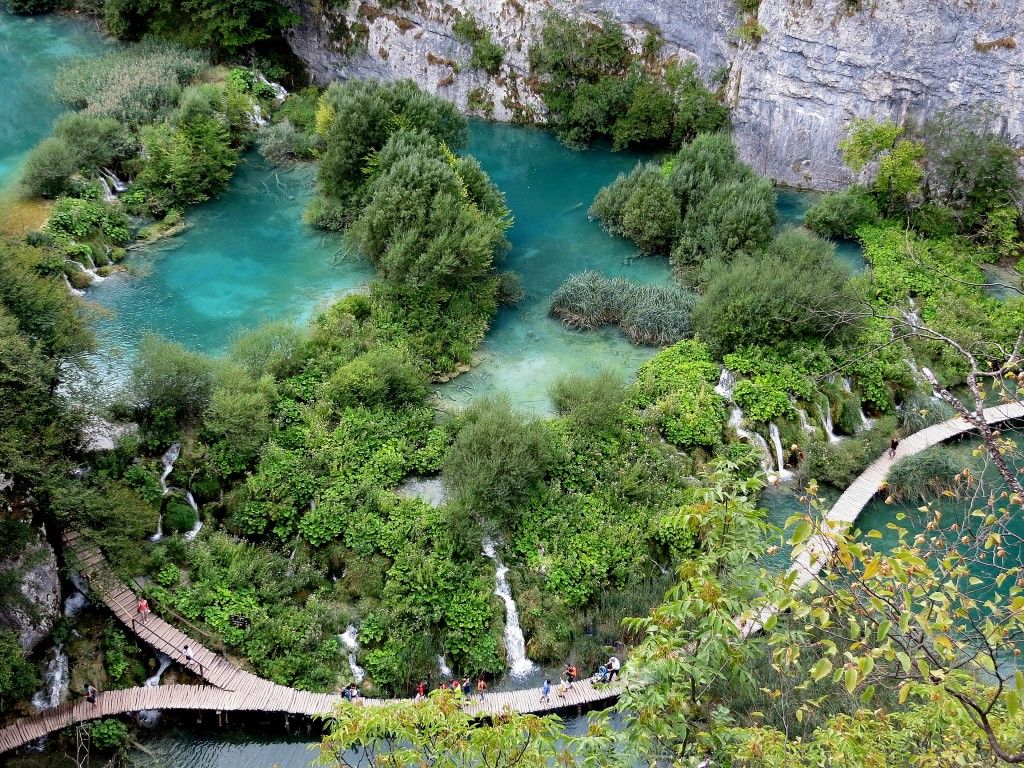
Plitvice is the most famous park in Croatia and a UNESCO World Heritage Site, famous for its turquoise lakes connected by waterfalls and wooden walkways. Although it is very visited, there are ways to avoid the crowds: arrive early, visit out of season or explore less traveled routes.
Risnjak, in the Gorsky Kotar region, is much less well known. It offers mountain trails, deep forests and the possibility of sighting lynxes, bears and wolves in the wild.
Slavonia: Croatia unknown
To the east of the country, the Slavonia region is made up of plains, vineyards and historic cities such as Osijek and Vukovar. Folk festivals are held here and Croatian rural hospitality is experienced. It is an ideal place for those looking for authentic experiences, traditional gastronomy and wine tourism.
Historic villages and cultural routes
Croatia is dotted with small stone villages where traditions are still alive and the rhythm is set by nature.
- Motovun (Istria): Walled town on a hill, surrounded by vineyards and famous for its truffles.
- Grožnjan (Istria): Villa of artists, with galleries and music in every corner.
- Trogir: Island-city with a perfectly preserved historic center, World Heritage Site.
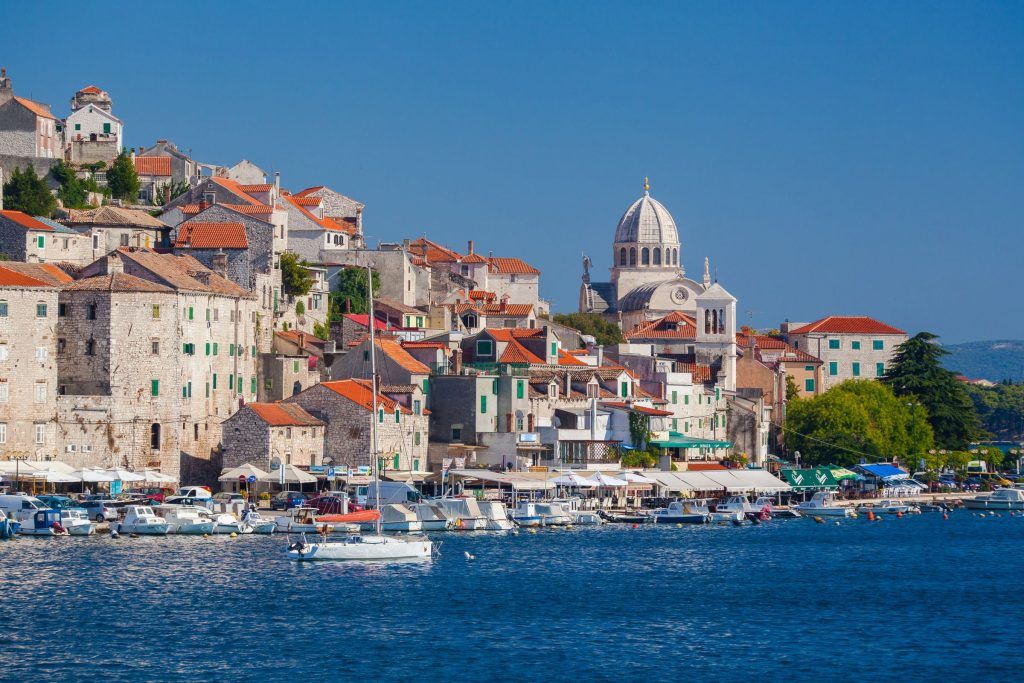
- Šibenik: With two fortresses and a unique cathedral, it combines history, architecture and views of the Adriatic.
These towns offer fairs, markets and festivals throughout the year, where you can taste local wines, cheeses, sausages and typical sweets, and where hospitality is the norm.
Traditions, gastronomy and rural life
Far from the main routes, Croatia reveals an authentic rural life: morning markets, popular festivals, family harvests and recipes passed down by generations. “Agrotourism” (rural houses and farms that welcome tourists) are an excellent way to get to know the local culture, learn how to cook traditional dishes and enjoy organic products.
The gastronomy varies according to the region:
- On the coast, fish, seafood and olive oil stand out.
- Inside, stews, sausages and artisanal cheeses predominate.
- Croatian wine is gaining international renown, with wine routes especially recommended in Istria and Dalmatia.
- Participating in a harvest, attending a rural wedding or visiting a local market allows the traveler to really integrate into Croatian culture.
Practical tips for exploring the lesser-known Croatia
- Car rental: It is the best option to get to towns, secluded beaches and less accessible islands.
- Avoid July and August if you can: May, June and September are perfect months to avoid heat and crowds.
- Learn about festivals: Many towns and cities organize traditional celebrations throughout the year.
- Respect the environment: Both in nature and in small towns, sustainable tourism is essential to preserve authenticity.
- Learn some words in Croatian: Although English is common in tourist areas, a local greeting always opens doors.
Exploring Croatia beyond Dubrovnik is discovering a diverse country, rich in culture, history and landscapes that surprise at every stage of the journey. From the islands where the sea is still virgin to the stone villages of the interior, through national parks and secular traditions, authentic Croatia is ready to receive restless travelers, nature lovers and seekers of genuine experiences.
If you want to avoid the crowds and discover the essence of one of the most beautiful countries in Europe, bet on the lesser-known side of Croatia. Your trip will undoubtedly be much more memorable and personal.